
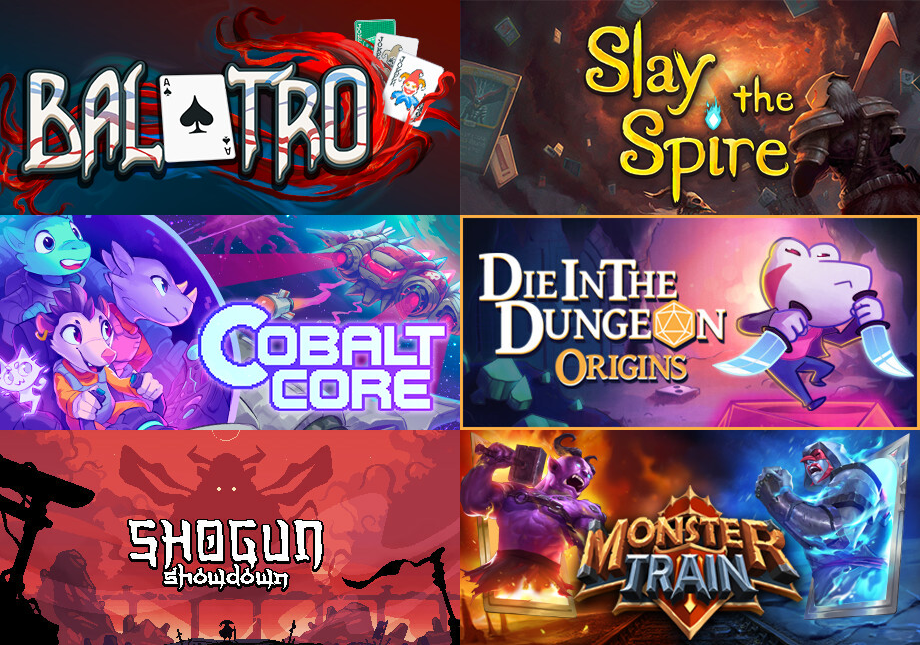
I’ve spent countless hours climbing the ever-changing tower in Slay the Spire, and I know I’m not alone. There’s something addictive about deckbuilding roguelikes—the thrill of building a powerful strategy one card at a time and the excitement of facing new challenges with every run.
If you’re like me and can’t get enough of that perfect blend of tactics, luck, and replayability, you’re probably searching for more games that scratch the same itch. Luckily, the genre’s booming with creative titles that offer fresh twists and endless replay value. Let’s dive into the best games like Slay the Spire that deserve a spot on your playlist.
What Makes Slay the Spire Unique
What-Makes-Slay-the-Spire-Unique
I see distinct qualities in Slay the Spire that separate it from other deckbuilding and roguelike games. It merges deep strategy with unpredictable runs, offering layers of complexity and excitement every playthrough.
Deckbuilding Mechanics
I navigate dynamic deckbuilding each run, starting with a basic deck and expanding it through card rewards, removals, and upgrades. Slay the Spire offers unique synergies and combos by combining attacks, skills, and relics in powerful ways. Strategic decisions in card drafting, as seen with “Searing Blow” upgrades or poison-based decks, constantly shape each game’s outcome.
| Deck Option | Example Cards | Strategic Role |
|---|---|---|
| Attack Focus | Strike, Iron Wave | Direct damage |
| Defense Focus | Defend, Ghostly Armor | Damage mitigation |
| Combo/Utility | Footwork, Catalyst | Synergy & effects |
Roguelike Elements
I experience randomized dungeon layouts, unpredictable enemy encounters, and evolving relic pools on every run. Slay the Spire features permadeath and branching paths, with no two runs unfolding the same way. Decisions in route planning, event selection, and rest site management impact victory chances.
Replayability and Challenge
I find endless replay value in Slay the Spire because it blends over 700 cards, 100+ relics, and multiple characters such as Ironclad, Silent, Defect, and Watcher. Ascension levels increase the game’s challenge, forcing me to adapt my strategies. Players seeking self-imposed restrictions—like “no upgrades” runs—can keep the experience fresh for hundreds of hours.
| Replay Factor | Numerical Data |
|---|---|
| Playable Characters | 4 |
| Unlockable Cards | 700+ |
| Available Relics | 100+ |
| Ascension Levels | 20 per character |
Top Games Like Slay the Spire
Deckbuilding roguelikes like Slay the Spire attract strategy fans with complex card mechanics, run-based progression, and high replay value. I’ve included the strongest genre alternatives, focusing on distinct systems, deck customizability, and replayable challenges.
Monster Train
Monster Train builds on deckbuilding and roguelike foundations, introducing multi-layered combat and rich card synergies. I manage three vertical battlefields, defending a train’s pyre against waves of enemies. Strategic placement, clan combos, and branching upgrade paths push replayability. For example, over 200 cards and five clans each offer a personalize deckbuilding angle. Monster Train’s fast pace and layered strategy give long-term satisfaction.
| Game | Distinguishing Feature | Approx. Cards | Unique Mechanic |
|---|---|---|---|
| Slay the Spire | Single-lane combat | 700+ | Card removal/upgrades |
| Monster Train | Multi-layered train combat | 250+ | Vertical battlefields |
Griftlands
Griftlands stands out by blending deckbuilding with RPG-inspired choices and negotiation. I approach encounters using two separate decks: one for combat, one for conversation. Each run lets me influence story outcomes by making moral choices, recruiting allies, and deciding who to trust. Multiple playable characters, branching narrative arcs, and hundreds of negotiation and combat cards keep every playthrough surprising. For example, Sal’s campaign alone gives me at least four distinct narrative endings.
Roguebook
Roguebook expands deckbuilding with grid-based exploration and partner mechanics. I select two heroes (out of four) who share one large deck. Positioning and cooperation unlocks combo effects and unique hero abilities. I reveal the map by spending ink and brushes, adding puzzle elements alongside classic card play. Over 200 cards, dynamic relics, and daily challenges push the unpredictability and strategic depth, similar to Slay the Spire’s variety.
| Game | Exploration Style | Team Mechanic | Replayability Features |
|---|---|---|---|
| Slay the Spire | Linear act map | Solo or single hero | Ascension, unlocks |
| Roguebook | Hex-grid exploration | Dual heroes | Daily runs, random relics |
Tainted Grail: Conquest
Tainted Grail: Conquest mixes deckbuilding and open-world RPG structure. I navigate a dark Arthurian world, picking quests as I customize my character’s deck and skills. Class choices enable different strategies, and each run’s randomization of events, monsters, and loot changes my approach. With nine unlockable classes and hundreds of upgrade options, each run feels meaningfully distinct. For example, Wyrdhunter and Blood Mage radically shift card pools, enabling new deck synergies.
Fights in Tight Spaces
Fights in Tight Spaces brings tactical positioning to roguelike deckbuilding. I control a single agent moving through confined grid-based rooms, using a small deck of moves to fight enemies. Card effects depend on positioning, spacing, and room obstacles, requiring me to adapt with every turn. Dozens of decks, dynamic mission structure, and persistent upgrades create strong replay value for strategy fans.
| Game | Grid or Map Structure | Deckbuilding Twist | Approachable Playtime |
|---|---|---|---|
| Slay the Spire | Branching act map | Classic roguelike cards | 45-75 minutes per run |
| Fights in Tight Spaces | Small tactical grid rooms | Move+combat card combos | 20-40 minutes per run |
These games extend the replayable, strategic card play that defines Slay the Spire, adding unique systems like layered battlefields, negotiation, or tactical movement.
How These Games Compare to Slay the Spire
How-These-Games-Compare-to-Slay-the-Spire
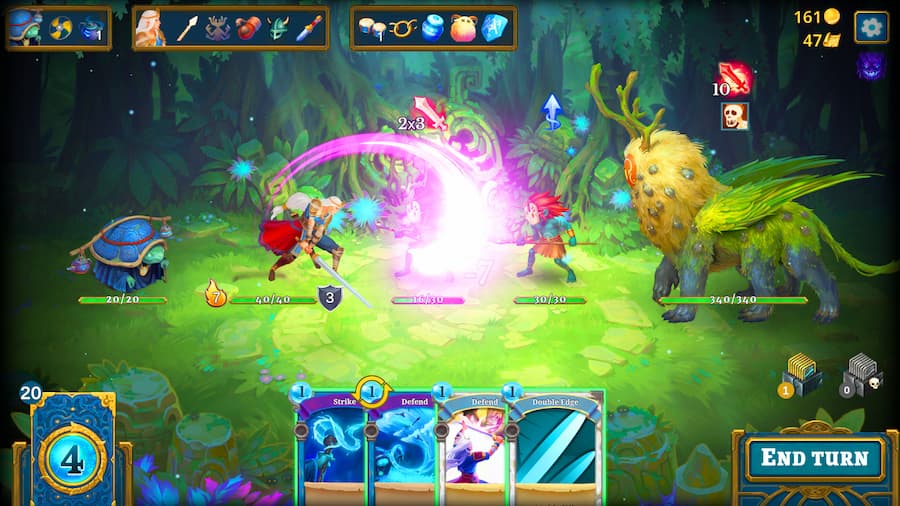
Games like Slay the Spire follow deckbuilding and roguelike conventions, though each pushes the genre in distinct ways. I’ll compare their gameplay similarities and unique features to clarify their connections and differences.
Gameplay Similarities
Deckbuilding roguelikes maintain core elements reminiscent of Slay the Spire:
- Strategic Card Play
Turn-based combat with decks assembled from earned or found cards. Monster Train and Griftlands also task me with adapting on the fly for each run.
- Progression Through Encounters
Advances through randomized battles and events. Roguebook and Tainted Grail: Conquest shuffle event layouts and enemy pools, increasing unpredictability.
- Permadeath and Replayability
Permanent death plus random generation create replay value. Fights in Tight Spaces, like Slay the Spire, resets progress each run, encouraging new strategies.
| Game Title | Deckbuilding | Randomized Encounters | Permadeath | Ascension/Progression Modifiers |
|---|---|---|---|---|
| Slay the Spire | Yes | Yes | Yes | Yes |
| Monster Train | Yes | Yes | Yes | Yes |
| Griftlands | Yes | Yes | Yes | Yes |
| Roguebook | Yes | Yes | Yes | Yes |
| Tainted Grail: Conquest | Yes | Yes | Yes | Yes |
| Fights in Tight Spaces | Yes | Yes | Yes | Yes |
Unique Features of Each Game
Each title adds characteristics that set it apart from Slay the Spire:
- Monster Train
Multi-floor battles and simultaneous enemy waves demand vertical thinking alongside normal deckbuilding choices.
- Griftlands
Dual decks (combat and negotiation) blend RPG dialogue and social cost into every encounter, creating branching story paths.
- Roguebook
Hex-based movement and two-hero synergy require me to manage positioning and combo attacks, not just cards.
- Tainted Grail: Conquest
Open-world exploration and RPG questlines expand decision space beyond linear dungeons, introducing narrative depth.
- Fights in Tight Spaces
Tactical positioning in tile-based rooms turns standard card effects into careful movement and spatial puzzles.
| Game Title | Standout Mechanic | Example |
|---|---|---|
| Monster Train | Multi-level battlefields | Defend three train floors from enemy waves |
| Griftlands | Dual deck systems | Negotiate or fight during story encounters |
| Roguebook | Two-hero combos, map reveal | Synergize heroes, uncover tiles with ink |
| Tainted Grail: Conquest | RPG exploration & quests | Free-roam on a dark fantasy map with quests |
| Fights in Tight Spaces | Grid-based positional tactics | Move and attack within tight rooms |
Tips for Choosing Your Next Deckbuilding Roguelike
Tips-for-Choosing-Your-Next-Deckbuilding-Roguelike
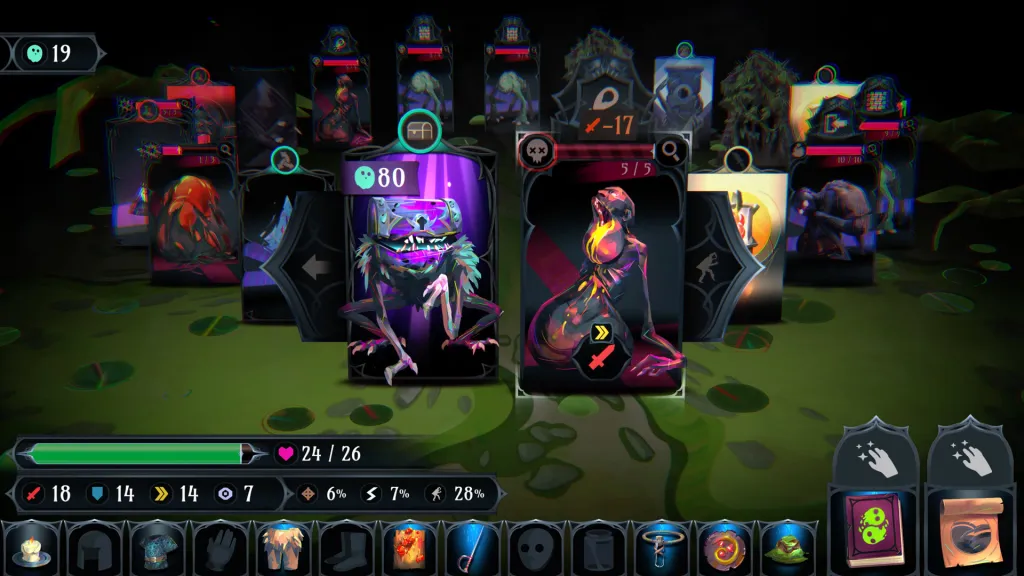
Game mechanics influence my enjoyment, since each deckbuilding roguelike presents different approaches to card play, progression, and decision-making. When I try new titles, I check for unique twists on core systems—for example, Monster Train’s multi-layered battlefields or Griftlands’ dual decks for negotiation and combat.
Replay value matters if I’m investing my time. I compare the number of unlockable cards, relics, or characters and note progression systems like ascension levels. More unlocks and challenge modes usually extend the experience.
Theme and setting help me stay engaged. Some games like Tainted Grail: Conquest use a dark fantasy world, while others like Fights in Tight Spaces offer a modern tactical vibe. If the narrative or art style appeals to me, I tend to spend longer exploring the game.
Difficulty customization gives more freedom. I look for scalable challenge—such as ascension levels or optional modifiers—since it adds new layers of strategy as I learn.
Community support increases the longevity of a title. Active player communities, regular developer updates, or mods often sustain long-term replayability.
Platform availability decides if I can actually play a game. I make sure my preferred deckbuilding roguelikes support platforms I use, like PC, Switch, or mobile.
| Game Title | Unique Mechanic | Card Pool Size | Setting | Difficulty Tuning | Platforms |
|---|---|---|---|---|---|
| Slay the Spire | Ascension challenges | 700+ | Dark fantasy | 20 ascension levels | PC, Switch, PS4, Mobile |
| Monster Train | Multi-floor combat | 220+ | Infernal train | Covenant levels | PC, Switch, Xbox, PS4 |
| Griftlands | Combat & negotiation decks | 300+ | Sci-fi noir | Negotiation modifiers | PC, Switch, Xbox, PS4 |
| Roguebook | Dual hero synergy & exploration | 200+ | Fantasy illustrated | Embellishment upgrades | PC, Switch, PS4, Xbox |
| Tainted Grail: Conquest | Open-world progression | 450+ | Dark Arthurian legend | Malice levels | PC, Xbox, PS4 |
| Fights in Tight Spaces | Grid-based tactical combat | 150+ | Modern action | Difficulty options | PC, Xbox, Switch |
Conclusion
Exploring games like Slay the Spire has opened up a world of strategic depth and endless replayability for me. Whether I’m in the mood for multi-layered combat, narrative-driven choices, or innovative deckbuilding twists, there’s always something new to discover in this thriving genre.
I’m always excited to see how each title pushes the boundaries of what a roguelike deckbuilder can be. No matter which game I pick up next, I know I’m in for hours of challenging fun and fresh strategies.
Frequently Asked Questions
What makes Slay the Spire different from other deckbuilding roguelikes?
Slay the Spire stands out due to its deep strategy, dynamic deckbuilding, and unpredictable gameplay. With hundreds of cards, relics, and unique playable characters, each run is fresh and challenging. Its roguelike elements, such as randomized layouts and permadeath, ensure high replayability and no two playthroughs are the same.
Are there games similar to Slay the Spire?
Yes, several games offer similar deckbuilding roguelike experiences, including Monster Train, Griftlands, Roguebook, Tainted Grail: Conquest, and Fights in Tight Spaces. Each title introduces unique twists on strategic card play and replayable challenges.
What are the key features to look for in a deckbuilding roguelike?
Look for strategic card-based combat, high replay value, customizable difficulty, unique mechanics, and plenty of unlockable content. Consider the game’s narrative, theme, platform availability, and whether the community is active and supportive.
Which game is most similar to Slay the Spire?
Monster Train is often considered the closest in feel, with strategic deckbuilding, roguelike progression, and permadeath. Its core gameplay is familiar yet distinct due to multi-floor battles and card synergy mechanics.
How replayable are these games?
All of these games offer high replayability through randomized encounters, unlockable cards and characters, and adjustable difficulty levels. Roguelike mechanics and unique runs ensure each playthrough brings new challenges and strategies.
Do these games support different play platforms?
Yes, most titles like Slay the Spire, Monster Train, Griftlands, Roguebook, Tainted Grail: Conquest, and Fights in Tight Spaces are available across multiple platforms, including PC, consoles, and sometimes mobile devices.
What unique mechanics do these Slay the Spire alternatives offer?
Each game offers something special: Monster Train features multi-floor combat, Griftlands uses dual decks for combat and negotiation, Roguebook introduces grid-based exploration, Tainted Grail: Conquest offers open-world elements, and Fights in Tight Spaces focuses on tactical positioning.
How do I choose which game to try next?
Consider what you enjoyed most in Slay the Spire. If you like deep strategy, try Monster Train or Griftlands. For RPG elements, go for Griftlands or Tainted Grail: Conquest. If tactical movement appeals to you, Fights in Tight Spaces is a great pick.