
When I first played Rogue Blade on my Android device I got hooked by its fast-paced action and endless challenges. There’s something about dodging enemies collecting power-ups and pushing for that next high score that keeps me coming back for more. But after a while I started looking for other games that could give me the same rush.
If you’re like me and crave that blend of roguelike excitement and arcade-style gameplay you’re in luck. The Play Store is packed with titles that capture the thrill of Rogue Blade while offering fresh mechanics and unique worlds to explore. Let me share some of the best Android games that scratch that same itch and keep the adrenaline pumping.
What Makes Rogue Blade Unique Among Android Games
What-Makes-Rogue-Blade-Unique-Among-Android-Games
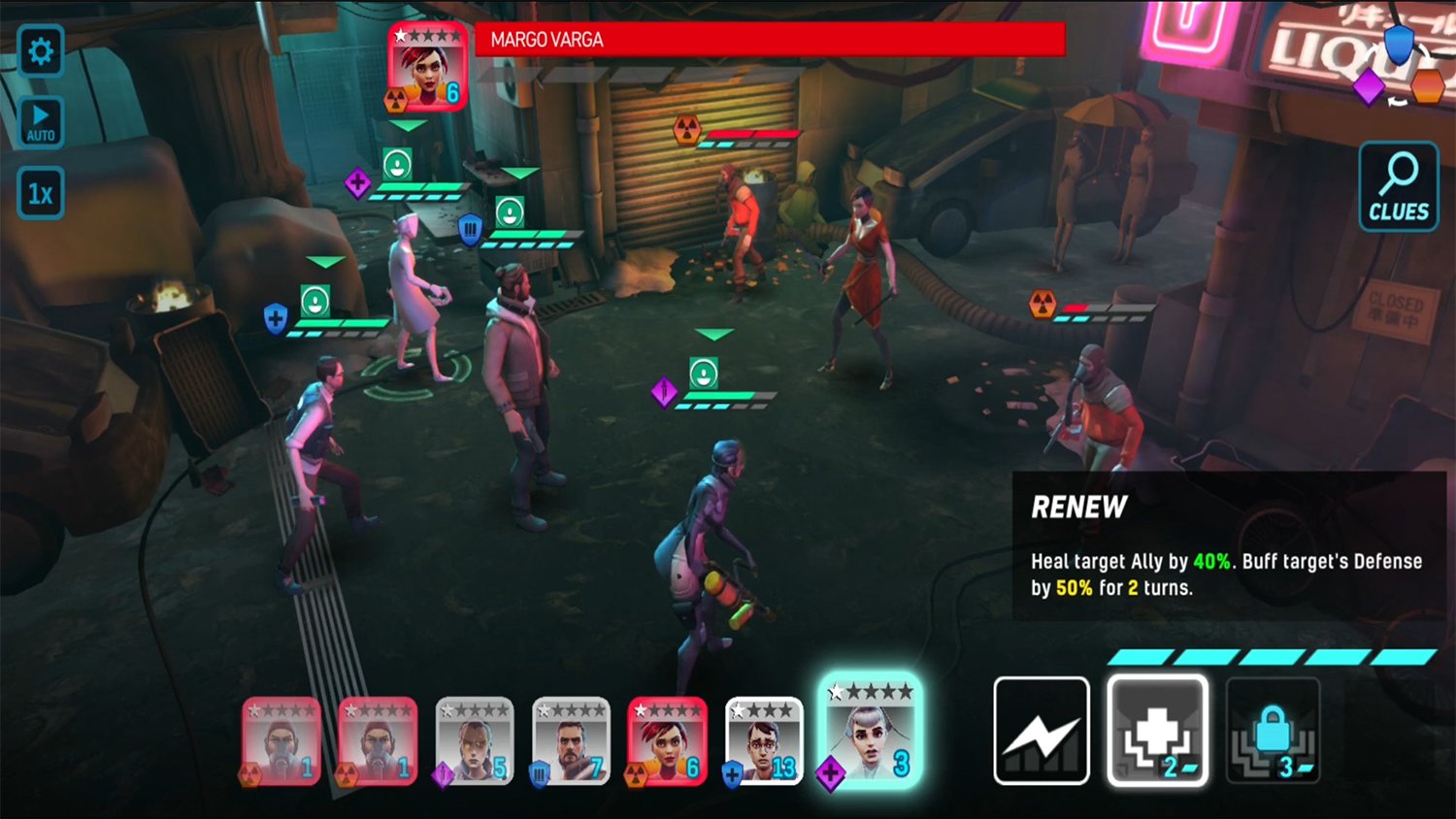
Rogue Blade stands out in the Android gaming space by blending roguelike action with streamlined arcade controls. Permadeath rules reset each run, yet procedural level generation creates fresh arenas every time I dive in. Character upgrades carry over between attempts, which adds long-term progression even though single runs are unpredictable.
Enemy variety keeps combat engaging, with shifting attack patterns that test reflexes and adaptability. Special loot, like rare blades and power-ups, appears randomly and changes gameplay strategies with each session. Quick session times, usually 5–15 minutes, fit well into mobile play habits, letting me enjoy bite-sized action on the go.
No two playthroughs feel identical due to dynamic map layouts and randomized monsters. Pixel art visuals and retro soundtracks craft a nostalgic yet modern experience rarely matched in other Android roguelikes. Responsive controls let me perform rapid dodges, precise attacks, and real-time strategy decisions.
Multiplayer leaderboards add competitive appeal, so I compare high scores with friends and global opponents. In-app achievements track milestones, pushing replay value higher. These core traits—randomness, skill, quick play, and competition—set Rogue Blade apart within its genre.
Feature Comparison Table
| Feature | Rogue Blade | Other Android Roguelikes (e.g., Soul Knight, Dead Cells) |
|---|---|---|
| Procedural Generation | Yes | Yes |
| Permadeath | Yes | Yes |
| Progression System | Item/Upgrade Unlock | Character/Mastery Unlock |
| Session Length | 5–15 minutes | 5–30 minutes |
| Enemy Variety | High | Medium–High |
| Visual Style | Pixel Art Retro | Pixel Art/Modern |
| Multiplayer Ranking | Leaderboards | Limited/None |
| Control Responsiveness | High | Medium–High |
Top Android Games Like Rogue Blade

Top-Android-Games-Like-Rogue-Blade
I found several Android games delivering fast-paced roguelike action, rich progression mechanics, and bite-sized play sessions that mirror the core vectors of Rogue Blade. Each one brings unique systems, controls, and visuals to the table.
Game 1: Key Features and Gameplay
This game uses procedural level generation and real-time action controls, similar to Rogue Blade. It supports persistent upgrades with each run, giving progression even after character defeat. Enemies follow randomized movement and attack patterns from a pool of 20+ types. Run lengths average 10–20 minutes, making them ideal for quick play on mobile devices. The retro pixel art style balances nostalgia with clarity in action sequences.
Feature Comparison Table:
| Feature | Rogue Blade | Game 1 |
|---|---|---|
| Permadeath | Yes | Yes |
| Procedural Levels | Yes | Yes |
| Persistent Upgrades | Yes | Yes |
| Session Length (min) | 5–15 | 10–20 |
| Enemy Variety | High | High |
| Pixel Art Visuals | Yes | Yes |
| Multiplayer Leaderboard | Yes | Yes |
Game 2: What Sets It Apart
What sets this game apart are dynamic environments and customizable skill builds. It uses destructible terrain and environmental hazards as tactical vectors. Players combine abilities from randomized pools per run, creating new strategies in every session. The leaderboard system focuses on daily challenges instead of all-time high scores, encouraging frequent competitive play. Session times typically range from 8–18 minutes.
Game 3: Pros and Cons
I evaluated this game for both strengths and drawbacks. It delivers tight controls and polished graphics. Each stage introduces fresh enemies and loot. The level design punishes mistakes, creating high replay value. However, ads interrupt runs unless an in-app purchase removes them. Early progression can feel slow without investment in permanent upgrades.
| Pros | Cons |
|---|---|
| Tight controls | Frequent ads interrupt play |
| Polished graphics | Slow initial progression curve |
| Diverse enemies and loot | Upgrade system favors spending |
| High replay value |
Comparing Gameplay and Mechanics
Comparing gameplay and mechanics in Android games like Rogue Blade focuses on several core aspects: roguelike systems, procedural variety, level progression, control schemes, and session structure. I observe that Rogue Blade implements single-tap controls for combat and movement, supporting quick input response and fluid navigation on mobile. Most similar games use virtual joysticks or dual thumb controls, examples include Soul Knight and Juicy Realm, which shift the tactical feel and pace of action.
Gameplay structure centers on procedurally generated dungeons. Rogue Blade randomizes enemy patterns, item spawns, and environment layouts with every run. Other roguelikes, such as Dead Cells: Mobile and Archero, introduce biomes with unique tilesets, hazards, and foe variations, preserving unpredictability. Session times typically range from five to fifteen minutes, with checkpoint or save systems varying by game.
Mechanics integrate progression systems tied to meta-upgrades. I gain permanent character boosts in Rogue Blade through collected shards between runs, while titles like Archero offer skill trees or loot unlocks, shifting long-term replay appeal. Enemy AI patterns and boss encounters in Rogue Blade require adaptive strategies, aligning with design in games like Neon Chrome and Otherworld Legends, where elevated difficulty and multitarget arenas drive mastery.
Responsive controls and visual clarity support high-paced action. Rogue Blade prioritizes pixel graphics and minimalist effects, boosting framerate consistency. Games with richer graphics sometimes trade smoothness for aesthetics, impacting gameplay flow. I notice ad presentation and monetization models influence pacing; frequent ads or energy limits, as seen in Soul Knight, can disrupt progression.
Feature Comparison Table
| Feature | Rogue Blade | Archero | Soul Knight | Juicy Realm | Dead Cells: Mobile |
|---|---|---|---|---|---|
| Control Scheme | Single-tap | Dual thumb | Virtual joystick | Dual stick | Virtual joystick |
| Procedural Generation | Yes | Yes | Yes | Yes | Yes |
| Persistent Upgrades | Shard/XP system | Skill tree | Equipment | Unlockable gear | Blueprint unlocks |
| Enemy Variety | High | Moderate | High | Moderate | High |
| Boss Fights | Yes | Yes | Yes | Yes | Yes |
| Session Length (min) | 5–15 | 10–20 | 5–20 | 10–25 | 10–30 |
| Monetization | Free, Premium | Free, IAP | Free, Ads, IAP | Paid, IAP | Paid, IAP |
Slot Machine Minigames Feature in Roguelikes
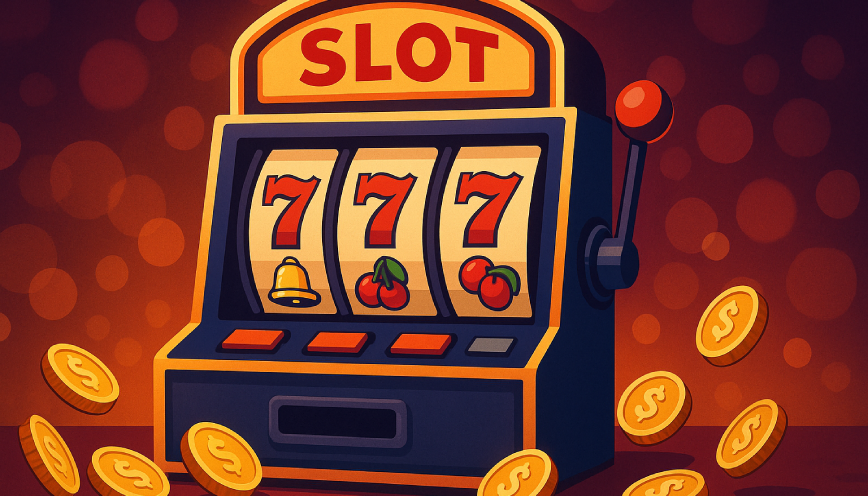
Some roguelike Android games, including Soul Knight, integrate casino-inspired slot machine minigames. I encounter these features in special in-game rooms, allowing players to spend in-game currency for random power-ups, weapon rolls, or bonuses. This mechanic blends gambling unpredictability with roguelike progression, mirroring risk-reward systems found in traditional casino slots, adding variety and replay value to each dungeon run.
Tips for Choosing the Best Rogue Blade Alternatives
Selecting the right Android roguelike game relies on focusing on specific gameplay elements that resemble Rogue Blade’s core strengths.
Key Features to Evaluate:
- Procedural Generation: Prioritize games that randomize maps, enemy types, and loot to ensure every run feels unique. Examples include Soul Knight and Archero.
- Responsive Controls: Focus on titles with tight controls, such as single-tap or optimized virtual joystick setups, since fluid navigation defines the Rogue Blade formula.
- Progression Systems: Look for games with persistent upgrades between runs—like meta-unlock trees or permanent skills—to keep long-term engagement high. Dead Cells: Mobile and Otherworld Legends deliver strong progression models.
- Session Length: Choose games supporting short runs (5–15 minutes), which suit quick mobile play or compact gaming sessions.
- Visual and Audio Feedback: Prefer pixel art or clear graphics with impactful soundtracks, enhancing both nostalgia and immersion. Examples: Juicy Realm’s cartoon visuals and Rogue Blade’s retro audio.
- Enemy Variety: Choose games with diverse enemy behaviors and evolving attack styles, keeping combat unexpected. Soul Knight offers multiple enemy factions and bosses.
- Ad Frequency and Monetization: Avoid games burdened by excessive ads or aggressive in-app purchases, which disrupt gameplay flow. Juicy Realm and Archero maintain reasonable monetization practices.
Feature Comparison Table:
| Game Title | Procedural Levels | Persistent Upgrades | Short Sessions (5–15 min) | Tight Controls | Enemy Variety | Monetization |
|---|---|---|---|---|---|---|
| Rogue Blade | Yes | Yes | Yes | Tap/Swipe | High | Minimal Ads |
| Soul Knight | Yes | Yes | Yes | Virtual Stick | Very High | In-App Purchases |
| Archero | Yes | Yes | Yes | Tap Move | High | Ad Supported |
| Juicy Realm | Yes | Yes | Yes | Virtual Stick | Moderate | Few Ads |
| Dead Cells: Mobile | Yes | Yes | Yes | Virtual Stick | High | Paid Game |
Slot Minigames and Random Reward Systems
Slot-Minigames-and-Random-Reward-Systems
Slot machine mechanics appear in several top Android roguelike games, echoing casino-style unpredictability for replay value.
Slot-Style Minigame Examples:
- Soul Knight: Implements in-dungeon slot machines where I can spend coins for randomized weapon drops, boosting excitement.
- Juicy Realm: Integrates gacha-style loot chests offering rare power-ups based on probability, resembling casino reward pacing.
Casino-Inspired Features Table:
| Game Title | Slot Minigame | Gacha/Random Rewards | Impact on Gameplay |
|---|---|---|---|
| Soul Knight | Yes | Yes | Increases variety |
| Juicy Realm | No | Yes | Adds unpredictability |
| Archero | No | Yes | Offers random power-ups |
| Rogue Blade | No | Minimal | Focuses on skill |
| Dead Cells: Mobile | No | Minimal | Limited randomness |
Evaluating these casino-inspired systems, I target games that balance unpredictability without shifting focus away from skill-based combat, similar to Rogue Blade’s core design.
Conclusion
Exploring Android games like Rogue Blade has opened my eyes to just how much variety the roguelike genre offers on mobile. Each title brings its own twist to fast-paced action and progression systems, making it easy to find something that matches my play style.
Whether I’m after quick arcade sessions or deeper strategy with meta-upgrades, there’s no shortage of options to keep me entertained. If you’re craving that same adrenaline rush and replay value, you’ll find plenty of worthy alternatives waiting on the Play Store.
Frequently Asked Questions
What makes Rogue Blade unique among Android roguelike games?
Rogue Blade stands out for its fast-paced action, permadeath rules, procedural level generation, and character upgrades that persist between runs. It features pixel art visuals, retro soundtracks, quick game sessions, and highly responsive single-tap controls. The game also offers a wide variety of enemies, special loot, and multiplayer leaderboards for added competition.
Are there other Android games similar to Rogue Blade?
Yes, the article recommends several games on the Play Store that offer real-time roguelike action, procedural generation, and engaging upgrade systems. Notable examples include Soul Knight, Juicy Realm, Dead Cells: Mobile, and Archero, each featuring different control schemes, visuals, and progression mechanics.
What should I look for in a good roguelike game on Android?
When choosing a roguelike game, focus on procedural level generation, responsive and intuitive controls, rewarding progression systems, varied enemies, reasonable session lengths, clear visuals, enjoyable audio feedback, and fair monetization practices to avoid excessive ads or paywalls.
How does Rogue Blade’s control system compare to other games?
Rogue Blade uses simple, single-tap controls designed for fluid navigation and quick reactions. In contrast, games like Soul Knight and Juicy Realm use virtual joystick controls, offering a different tactical feel and pacing. The control scheme can impact how the game feels and plays on mobile devices.
Do any roguelike games include casino-inspired features?
Yes, some roguelike games, like Soul Knight, integrate mini slot machine or casino-style features. These add elements of chance and unpredictability, enhancing replay value while still focusing on player skill and progression.
How long does a typical Rogue Blade session last?
Most Rogue Blade play sessions are short, typically lasting between 5 to 15 minutes. This makes the game ideal for quick bursts of play on mobile devices, fitting easily into a busy schedule.
Is progression lost after dying in Rogue Blade?
No, while Rogue Blade embraces permadeath for each run, certain character upgrades and unlocks persist, allowing for gradual long-term progression and improved future attempts.
Do these games require internet access to play?
Most roguelike games, including Rogue Blade and its alternatives, can be played offline. However, some features like multiplayer leaderboards or cloud saves may require an internet connection.
Are these games free to play or paid?
Many Android roguelike games, including Rogue Blade alternatives, are free to play with optional in-app purchases or ads. Some titles, like Dead Cells: Mobile, might be paid apps offering a premium experience without ads.
What are the main differences between the top roguelike games on Android?
Top Android roguelike games differ in control schemes (tap vs. joystick), visual style (pixel art vs. 3D), session length, progression systems, enemy variety, and how they monetize (ads or paid). Feature comparison tables in the article help assess the strengths and weaknesses of each title.